
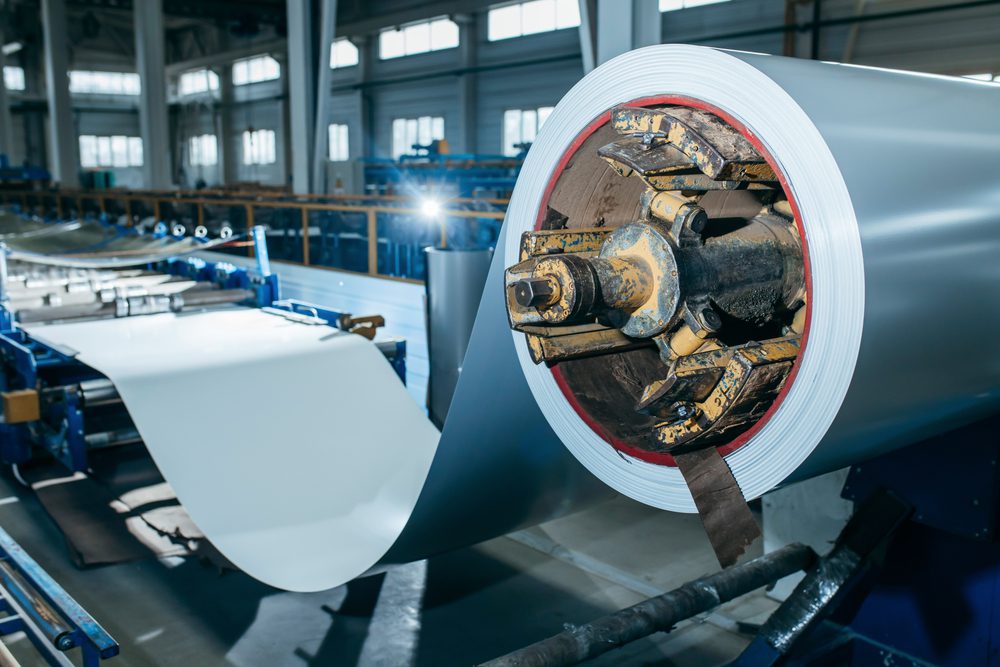
Sheet metal fabrication costs are influenced by a combination of predictable factors, yet no two projects are priced exactly the same. Every part has its own requirements, and each fabrication provider approaches pricing based on their equipment, workflow, and expertise. Because of this, there is no universal pricing formula—only a set of common variables that consistently shape the final cost.
This article serves as a guide to understanding the major contributors to fabrication costs, including materials, processes, labor, tolerances, and design decisions. While these insights can help teams better estimate project budgets, they are not intended to replace a formal quote from PMF. Instead, they provide a clearer view of what drives pricing and how thoughtful design and planning can reduce overall spend.
Key Takeaways:
- Sheet metal fabrication cost follows a formula, not a flat rate: Pricing is driven by material selection, machine time, design complexity, and production risk, with each fabricator weighing those factors differently.
- The biggest savings often happen at the design stage: Simplifying geometry, choosing standard materials, and minimizing bends or welds can significantly reduce overall cost.
- Production volume directly impacts cost per part: Setup time is largely fixed, so higher volumes typically lower the price per unit.
- Professional fabrication often delivers better long-term value: Advanced equipment, optimized workflows, and experienced operators reduce waste, rework, and inconsistency compared to DIY or low-tech approaches.
Factors that Affect Sheet Metal Fabrication Costs
While each fabrication project is unique, most pricing structures are influenced by several consistent categories. Understanding these factors can help designers and engineers plan efficiently and avoid unnecessary cost increases from overlooked design details.
Material Selection and Grades
The material chosen for a part has a substantial impact on pricing, both because of the raw material cost and how easily the material can be cut, bent, welded, or finished. Even materials that seem similar on paper behave very differently during fabrication, which can influence run time, tooling wear, and scrap rates.
Below is a general comparison of commonly used metals and how they influence cost relative to one another:
| Material Type | General Cost Profile | Why It Affects Cost |
|---|---|---|
| Aluminum (5052, 6061, 7075) | Moderate to high | Lightweight, corrosion-resistant, but harder alloys require more force to bend and may crack without proper tooling. |
| Stainless Steel (304, 316) | High | Strong, corrosion-resistant, and harder on tooling; slower cutting speeds increase machine time. |
| Mild Steel (A36, 1018) | Low to moderate | Easy to cut and bend; often the most cost-effective option for general applications. |
| Galvanized Steel | Moderate | Requires special handling; zinc coating can affect welding and corner finishing. |
| Copper & Brass | High | Specialty metals with excellent conductivity and formability, but significantly more expensive per sheet. |
Because metal pricing is heavily influenced by global supply chains and market fluctuations, costs can rise or fall quickly. Designers often benefit from choosing standard alloys (like 5052 aluminum or 304 stainless) because they are widely stocked and easier for shops to source at competitive rates.
Fabrication Processes
Each fabrication process adds its own cost component based on required machine time, complexity, and tooling. Certain processes are well-suited to simple, flat parts, while others are necessary for tight bends, deep forms, or structurally critical features.
Here is a more detailed breakdown of common processes and what influences their cost:
- Laser Cutting: Highly precise and ideal for complex contours. Costs increase with thicker materials, intricate shapes, and long cutting paths.
- CNC Bending/Forming: Pricing depends on the number of bends, bend angles, part orientation, and whether custom tooling is required.
- Stamping: Cost-effective for high-volume production but requires upfront tooling investment.
- MIG/TIG Welding: Labor-intensive and requires skilled technicians. Thin-gauge metals or aesthetically visible welds increase cost.
- Riveting or Hardware Installation: Adds per-part cost, especially when hardware requires specialized tooling or tight positional tolerances.
Advanced automation, such as CNC laser and press brake systems, can improve accuracy and consistency while reducing manual labor. However, machine operation time and setup requirements still represent significant cost drivers.
Surface Finishing Options
Finishing steps enhance durability, corrosion resistance, and visual appearance, but each step adds labor, equipment use, and quality inspection. Because finishes often require batch processing, part size and quantity can influence cost as well.
Common finishing options include:
- Powder Coating: Durable and uniform, but requires cleaning, masking, and curing.
- Anodizing: Ideal for aluminum parts; provides corrosion resistance and cosmetic appeal.
- Galvanizing: Protective zinc coating that improves corrosion resistance but may introduce design limitations.
- Polishing or Brushing: Mostly cosmetic but labor-intensive for parts with complex geometries.
Finishing can represent a meaningful portion of the total project cost, especially for parts requiring multiple coatings or highly cosmetic surfaces.
Tolerances
Tighter tolerances will always increase fabrication costs because they introduce additional complexity throughout the entire production process. Maintaining strict tolerances typically requires slower machining speeds, more sophisticated tooling, and increased inspection time.
Typical drivers of tolerance-related cost include:
- Slower cutting and forming speeds to maintain dimensional accuracy.
- Increased inspection and quality control steps.
- Higher scrap rates when parts fall outside tolerance limits.
When parts must bolt together, create leak-proof seals, or slide into one another, stricter tolerances are justified. But for non-critical features like tabs, mounting slots, or cosmetic edges, relaxing tolerances can significantly reduce cost.
Project Type
The nature of the project determines which processes, materials, and finishing steps are required. More complex or custom work increases cost because it requires additional expertise, inspection, and production time. Common differences include:
- Standard brackets or panels requiring simple cuts and bends.
- Custom enclosures or assemblies needing welding, hardware installation, and multistep finishing.
- High-performance components for industrial or electrical applications requiring specialized materials or certifications.
Projects that require engineering support, prototype iterations, or design-for-manufacturing feedback also naturally result in higher labor investments.
Part Geometry
Part geometry dramatically affects sheet metal fabrication costs because complex shapes take longer to cut, bend, and assemble. Even small changes to geometry can shift a part from “simple and inexpensive” to “complex and costly.”
Geometry-driven cost factors include:
- Tight interior radii requiring slower cutting speeds.
- Multiple bends requiring multiple setups.
- Deep bends that approach material limits and may require special tooling.
- Features that require secondary processes such as countersinking, embossing, or hardware attachment.
A simple flat part with a few holes is inexpensive, while a part requiring intricate contouring and multiple precise bends may require more machine time and operator expertise. Understanding this helps teams prioritize manufacturable designs early in the project.
Together, these variables illustrate why sheet metal fabrication costs are not fixed and why pricing can vary significantly between projects—even when they appear similar at first glance. Designers who understand these cost drivers from the beginning can make more informed decisions, explore cost-saving alternatives, and plan more accurate budgets before finalizing their drawings.
Strategies to Save on Sheet Metal Fabrication Costs
There are several proven strategies that can help control sheet metal fabrication costs without compromising function or quality. These best practices support both cost efficiency and manufacturability, making them beneficial for engineers and procurement teams alike.
Below are a few ways to optimize your design and reduce fabrication expenses:
- High-Volume Production: Setup costs are typically fixed. Ordering 1,000 units spreads those costs across every part, while a one-off part absorbs the full setup cost.
- Select the Optimal Process: Laser cutting and CNC bending work well for small batches since they require no custom tooling, while stamping becomes more economical for high-volume runs despite upfront tooling investments.
- Standardize Materials: Using standard gauges and common sheet sizes avoids custom orders and reduces scrap waste.
- Combine Processes: Combo machines such as turret punch/laser systems can perform multiple operations in one setup, saving handling time.
- Simplify the Design: Remove unnecessary contours or bends. A simple 90-degree bend often eliminates the need for specialized tooling.
- Relax Tolerances: Tight tolerances should be reserved for features that interface with other components. Standard commercial tolerances reduce production time and scrap rates.
- Part Consolidation: Converting a two-part welded assembly into a single bent part can eliminate welding labor entirely.
- Optimize Nesting: Designing parts that nest efficiently reduces material waste and overall material cost.
- Flexible Lead Times: Many shops offer more competitive pricing for non-rush work. Short lead times often come with a premium.
- Consolidate Orders: Ordering quarterly instead of monthly can create volume efficiencies and reduce per-part cost.
These strategies demonstrate that smart design and thoughtful planning are often the most impactful cost-saving tools available – far more influential than simply choosing the lowest-priced fabricator.
Why Professional Sheet Metal Fabrication Costs Less in the Long Run
It’s easy to assume that handling fabrication in-house or working with the lowest-cost provider will save money, but this often overlooks hidden expenses. Waste, rework, imprecision, and slow production cycles can offset any apparent savings.
Professional fabrication shops like PMF use advanced nesting software, automated laser cutting, CNC forming, and skilled technicians to deliver consistent accuracy and repeatability. This reduces scrap, shortens production timelines, and minimizes costly errors.
While no two projects are alike, investing in professional fabrication typically results in better long-term value, fewer production headaches, and higher-quality finished parts. To explore cost-effective solutions tailored to your needs, contact PMF for a competitive quote.
Frequently Asked Questions About Sheet Metal Fabrication Costs
What impacts sheet metal fabrication costs the most?
Material selection, part complexity, tolerance requirements, and fabrication processes are typically the biggest cost drivers.
How can I reduce fabrication costs during the design phase?
Simplify geometry, use standard materials, relax non-critical tolerances, and design parts for efficient nesting.
Is high-volume production always cheaper?
Yes—because setup costs remain constant, making large batch sizes more cost-efficient on a per-part basis.
Do tighter tolerances make parts more expensive?
They do. Tighter tolerances require slower machining, more inspections, and increase the likelihood of scrap.
Why choose a professional fabrication shop instead of doing it in-house?
Professional shops offer advanced tools, automation, and expertise that reduce waste and rework, resulting in better overall value.