
Precision Machine Fabrication fabricates metal enclosures, feeder cabinets, mounting hardware, and structural components for EV charging equipment, working from your designs and specifications to meet your electrical, environmental, and volume requirements.
EV charging hardware lives outdoors for years, takes abuse from weather and users, and has to keep sensitive electronics running the entire time. The enclosures and cabinets that house it are what make that possible, which means they have to be built accurately, sealed correctly, and produced consistently across an entire deployment. That’s the work we do.
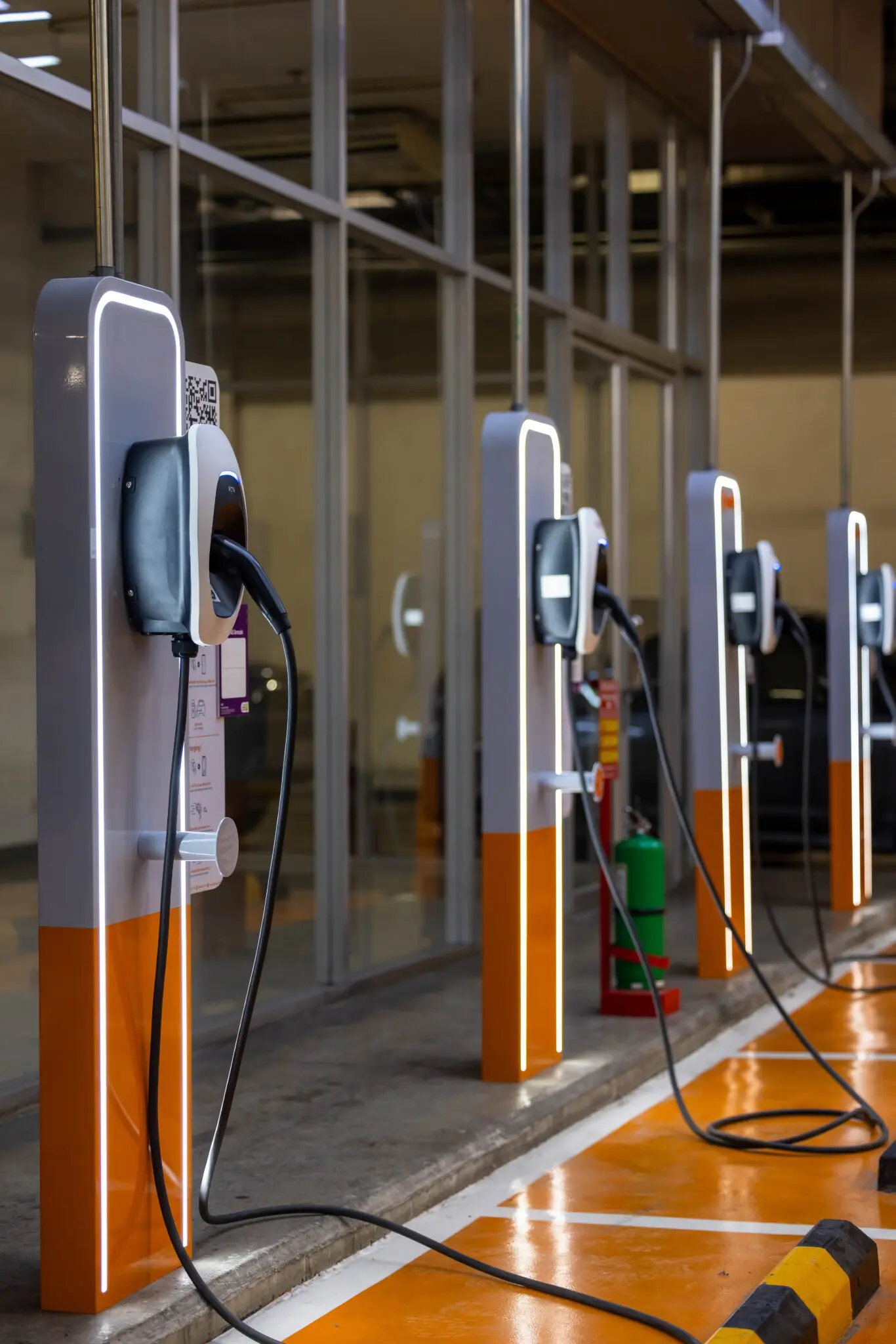
Materials and Finishes for EV Charging Environments
The right material for an EV charging enclosure depends on where it will be installed and what it needs to withstand. We work with our customers to select materials suited to the deployment environment, and we apply the finishes and sealing that make those materials perform:
- Stainless steel: A strong choice for coastal and high-corrosion environments where salt exposure is a concern, offering corrosion resistance without relying solely on a coating.
- Aluminum: Lighter weight with natural corrosion resistance, well suited to enclosures where weight matters or for sheltered and indoor applications.
- Coated carbon steel: Cost-effective and strong for general outdoor and urban use, paired with powder coating or corrosion-resistant finishes to protect against the elements.
Material is only part of weather resistance. Powder coating and corrosion-resistant coatings protect the metal itself, while gasketing and proper sealing at doors, panels, and cable entries are what actually keep moisture and dust out. We fabricate these features into the enclosure rather than treating them as an afterthought.
EV Components We Fabricate
Beyond complete enclosures, we fabricate the individual components that make up a charging unit, either as full assemblies or as discrete parts built to your drawings:
- Metal enclosures and cabinets: Housings sized and configured for specific charging systems, from wall-mounted units to freestanding cabinets, built to protect the electronics inside.
- Brackets, frames, and mounting plates: Structural supports that carry the enclosure and its internal components, fabricated for stable mounting and straightforward installation.
- Doors and access panels: Removable and hinged panels that give field technicians access for service while maintaining the enclosure’s seal and security.
- Ventilation features: Louvers, grilles, and vent openings that support thermal management without compromising ingress protection.
- Cable entry and management: Entry points and routing features fabricated to accommodate power and data cabling cleanly.
- Locking and hardware: Locking mechanisms, hinges, and hardware that control access and protect against tampering.
If you need a component that isn’t listed here, it’s worth asking; the range above reflects common EV charging work rather than a hard limit.
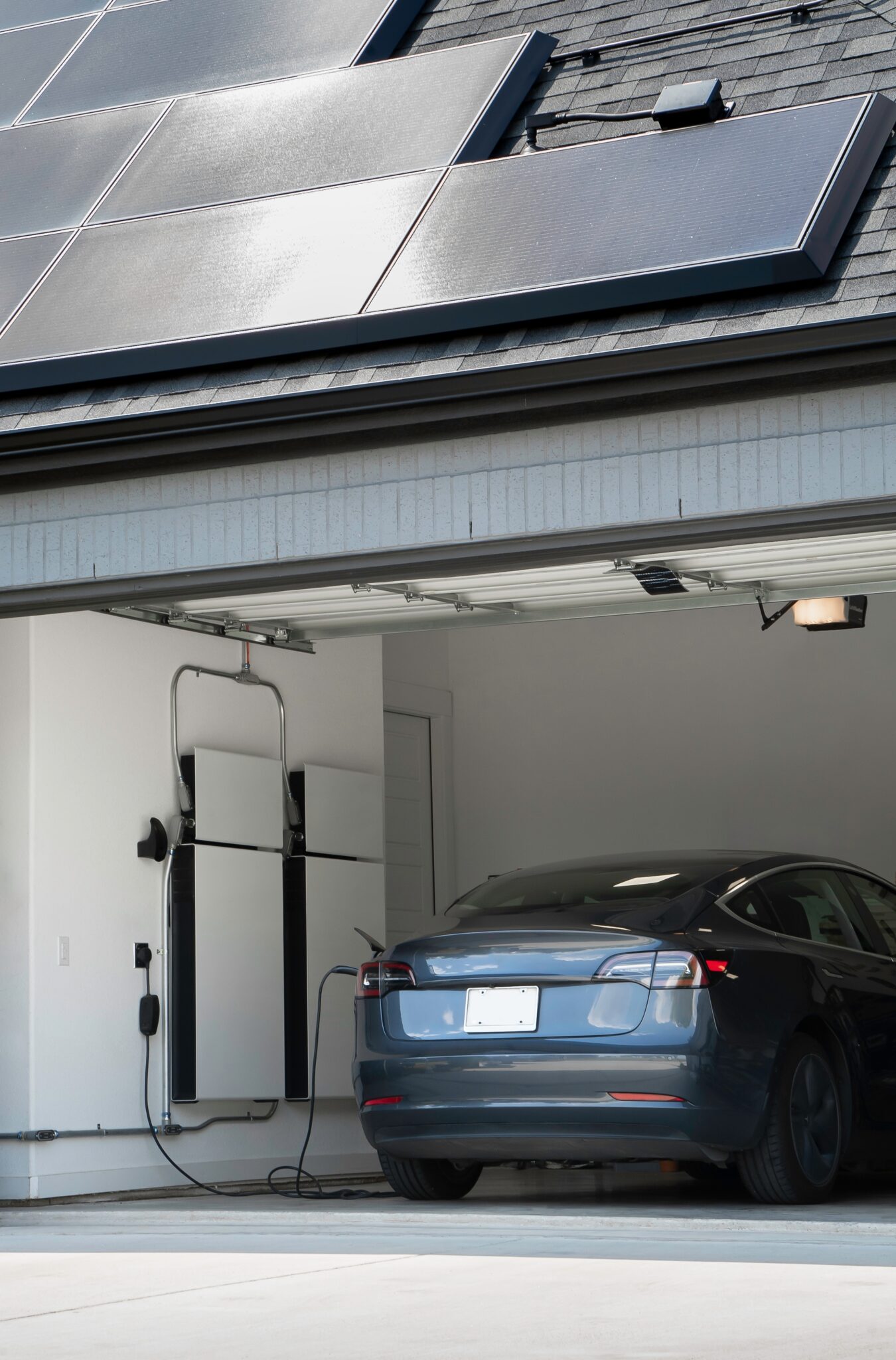
Why Manufacturers Choose PMF for EV Fabrication
Most of what determines a good EV enclosure supplier isn’t any single process; it’s whether the whole job can be handled well and repeatably. We run cutting, forming, welding, machining, finishing, and assembly under one roof, which matters for EV work in a few concrete ways.
Fewer handoffs between shops means fewer opportunities for parts to drift out of spec or schedule. Integrated quality control means the same standard applies from raw material to finished assembly. And keeping fabrication and assembly together means we can move a design from an initial pilot batch into repeatable production without changing suppliers midstream, which is where a lot of charging programs run into trouble. For manufacturers who need dependable, specification-driven parts on a recurring basis, that integration is the reason to work with us rather than a shop that fabricates in isolation.
Standards and Ratings We Build To
EV charging enclosures typically have to meet defined environmental and electrical requirements, and those requirements come from your engineering team and the standards your project is designed to. We fabricate enclosures to the NEMA and IP ratings you specify, and we build to custom UL-listed enclosure designs supplied by our customers, producing the sealing, gasketing, and construction those ratings call for.
Where your project requires documentation to verify the build, we provide it. If you tell us the environmental and electrical requirements your charging equipment has to satisfy, we can fabricate the enclosure to meet them.
Quality and Process Control
Consistency matters more on an EV deployment than almost anywhere else, because a fault that appears in one enclosure will usually appear across the whole production run. Our processes are ISO 9001:2015 certified, which means the fabrication and inspection steps behind your parts are documented and repeatable rather than dependent on any one operator.
We inspect throughout production, not just at the end, and we can provide dimensional documentation and material traceability when your program requires it.
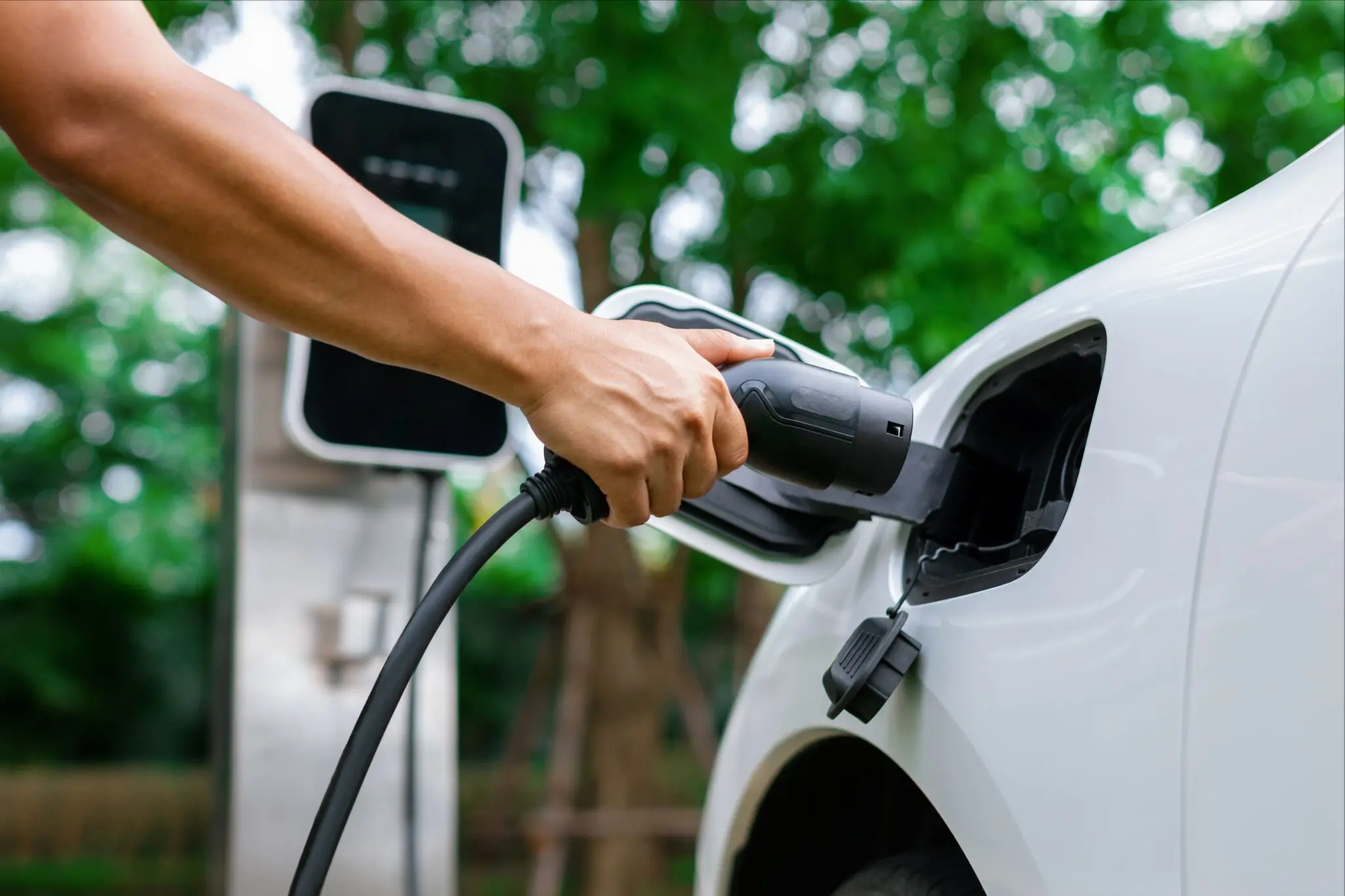
Build Your EV Charging Enclosures With PMF
If you’re sourcing enclosures, cabinets, or components for EV charging equipment, the fabrication partner you choose determines whether your parts show up accurate, durable, and on schedule across the whole run. PMF brings precision sheet metal fabrication, integrated production, and ISO 9001:2015 quality processes to EV charging projects, working from your specifications to build parts that meet your requirements.
Send us your drawings or project requirements, and we’ll help you move from design to production-ready parts. Start your EV charging project today!
Areas We Serve
At Precision Machine Fabrication, our commitment to excellence extends to serving clients across North Carolina and surrounding areas. Our strategic location allows us to provide unparalleled precision machining and fabrication services to businesses and organizations throughout the region.
- Raleigh
- Durham
- New Bern
- Asheville
- Greenville
- Wilmington
- Chapel Hill
- Greensboro
- Winston-Salem
- Charlotte
- Washington, DC
- And more!
Frequently Asked Questions About EV Charging Station Fabrication
What materials are best for EV charging enclosures?
It depends on the environment: stainless steel for coastal and high-corrosion sites, aluminum where weight or sheltered use is a factor, and coated carbon steel for general outdoor use. Finish and sealing choices matter as much as the base material.
What components can PMF fabricate besides enclosures?
We fabricate structural frames, mounting plates and brackets, doors and access panels, ventilation louvers, cable entry features, and locking hardware, either as complete assemblies or as discrete parts built to your drawings.
Can PMF build enclosures to specific NEMA, IP, or UL requirements?
We fabricate enclosures to the NEMA and IP ratings you specify and build to customer UL-listed designs, producing the sealing and construction those requirements call for. Share your requirements, and we’ll build to them.
Does PMF support both pilot runs and higher-volume production?
Yes. Because fabrication and assembly are integrated, we can move a design from an initial pilot batch into repeatable production without switching suppliers.
Build on More Than Four Decades of Fabrication Experience
The decades behind PMF show up in the parts we deliver: close-tolerance work, dependable repeat runs, and a team that has solved production problems across dozens of industries. Send us your drawings or specifications and our team will get you a quote. Contact PMF today to start your project.
Explore Our Capabilities