
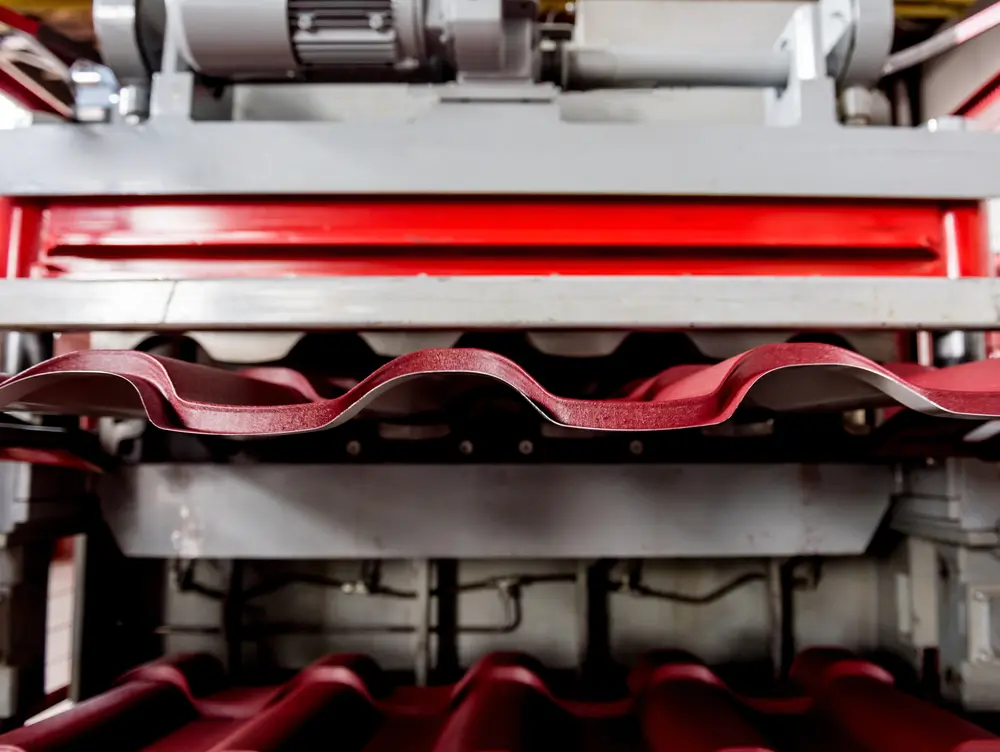
Sheet metal forming is one of the most versatile and essential processes in modern manufacturing. By transforming flat sheets of metal into complex, durable, and functional components, this process powers industries ranging from automotive and aerospace to electronics and consumer products. Understanding the techniques, materials, design considerations, and supporting technologies is crucial for engineers, designers, and production managers.
At PMF, we specialize in sheet metal forming for a wide variety of applications. This guide explores every aspect of sheet metal forming, helping you make informed decisions for both custom and large-scale projects.
Key Takeaways
- Sheet metal forming is a process of shaping flat metal sheets into three-dimensional parts using mechanical deformation rather than cutting or removing material.
- Common forming processes include bending, rolling, stamping, deep drawing, hydroforming, and advanced techniques like spin forming and extrusion.
- Material selection is critical; metals such as aluminum, stainless steel, carbon steel, and copper all respond differently to forming due to properties like ductility, elasticity, and tensile strength.
- Surface finishes and treatments, such as anodizing, powder coating, and deburring, enhance both durability and aesthetics.
- Integration into broader manufacturing workflows ensures efficiency and precision, connecting forming with cutting, assembly, and finishing operations.
- Partnering with PMF provides access to advanced machinery, skilled technicians, and quality-certified processes that deliver reliable, high-precision sheet metal components.
What Is Sheet Metal Forming?
Sheet metal forming is the process of shaping thin, flat metal sheets into functional parts through controlled deformation rather than material removal. Unlike cutting or machining, forming displaces the metal to achieve desired geometries, which makes it both efficient and versatile.
Techniques like bending, stamping, drawing, and pressing are the backbone of the process, allowing manufacturers to create brackets, panels, enclosures, and other precision components. The choice of forming method depends on several factors, including:
- Material type and thickness
- Design complexity and desired geometry
- Production volume and cost considerations
Understanding these variables ensures that formed components meet performance requirements while minimizing waste and rework.
Core Sheet Metal Forming Processes
Modern sheet metal forming encompasses a variety of techniques, each designed to achieve specific geometries and functional properties.
Bending
Bending involves deforming a sheet along a straight axis to create angles or curves. Key methods include V-bending, air bending, bottoming, and coining. Press brakes and dies are used to control accuracy and repeatability. Proper bend radius selection is critical to prevent cracking and ensure dimensional stability. Bending is commonly used to produce enclosures, brackets, and structural panels.
Rolling
Rolling reduces sheet thickness or forms cylindrical shapes using flat or profile rolls. Flat rolling creates uniform thickness, while shape rolling produces curved profiles and channels. Rolling is essential in producing tubes, ducts, and beams used in automotive, construction, and industrial applications. Multi-pass rolling can handle thicker materials or tighter tolerances for high-precision parts.
Stamping and Deep Drawing
Stamping combines forming and cutting in a single operation to produce high-volume parts efficiently. Deep drawing pulls a flat sheet into a die cavity to form hollow shapes such as cups, housings, or automotive body panels. This method requires ductile metals like aluminum or stainless steel and is ideal for mass production due to its speed and consistency.
Hydroforming and Advanced Techniques
Hydroforming uses high-pressure fluids to shape sheet metal into complex geometries with uniform wall thickness. This process reduces seams and improves strength, making it ideal for lightweight automotive or aerospace components.
Other advanced methods include:
- Extrusion: Pushing metal through a die to produce continuous profiles.
- Spin Forming: Rotating a sheet on a lathe to create symmetrical, hollow parts.
These techniques allow for complex, high-strength components with minimal secondary operations.
Precision Cutting and Complementary Processes
Waterjet and laser cutting are often used in conjunction with forming processes to create accurate and detailed parts. These methods maintain tight tolerances with minimal heat distortion, enabling highly precise components suitable for both prototyping and production runs.
Materials and Properties in Forming Metal Sheet
Material selection is a critical component of sheet metal forming. Different metals behave differently under stress, and selecting the right one ensures component integrity and cost-effectiveness.
Common Materials
- Aluminum: Lightweight, corrosion-resistant, excellent for aerospace and automotive applications.
- Stainless Steel: Strong, durable, and resistant to heat and corrosion; ideal for structural and industrial parts.
- Carbon Steel: High strength, suitable for heavy-duty applications.
- Copper and Alloys: Excellent electrical and thermal conductivity, often used in electronics and decorative components.
Mechanical and Physical Properties
- Ductility and elasticity: Determine how much a sheet can bend or stretch without failure.
- Tensile strength and yield point: Influence the forming force required and achievable shapes.
- Heat treatment: Can improve ductility or hardness depending on project requirements.
Surface Finishes and Treatments
Post-processing enhances appearance, corrosion resistance, and durability. Common finishes include:
- Anodizing for aluminum
- Powder coating for protective and decorative purposes
- Deburring and polishing to remove sharp edges and improve aesthetics
PMF integrates finishing with forming operations to deliver complete, production-ready parts.
Applications and Manufacturing Workflows
Sheet metal forming is applied across multiple industries, with each sector leveraging specific processes for optimal results.
- Automotive: Body panels, brackets, and heat shields.
- Aerospace: Fuselage panels, brackets, and structural components requiring tight tolerances.
- Electronics: Enclosures, heat sinks, and chassis for consumer and industrial devices.
Forming is part of a larger production chain, following cutting operations and preceding assembly, joining, and finishing. Proper workflow planning ensures efficiency, reduces errors, and maintains consistent quality.
Partnering with PMF for Precision Sheet Metal Forming
PMF provides full-service expertise in sheet metal forming services, delivering high-quality solutions tailored to your needs. Key advantages include:
- Advanced CNC and hydraulic forming capabilities
- Expertise with aluminum, stainless steel, carbon steel, and specialty alloys
- Integration of cutting, forming, and finishing processes under one roof
- Compliance with ISO 9001:2015 certifications
Whether your project requires prototyping or large-scale production, PMF delivers precise, durable, and cost-effective sheet metal solutions. Contact PMF today to discuss your next project.